
Short description Mercury 233
The Mercury 233 is a container battery storage for commercial/industrial storage projects with modular scaling, high-voltage battery and a sophisticated energy management system. It is suitable for network services, load peak avoidance and the time-shifted use of PV/Wind.
What is an energy storage device?
A battery storage (BESS) absorbs electrical energy and releases it again with a time delay. In practice this means: less curtailment, more usable renewable energy and more stability in the network.
-
Network stability
Providing flexibility for frequency, voltage and peak loads.
-
More renewable usable
Absorb surpluses and feed them in later – reduces curtailment and increases own/grid usage.
-
Plannable & measurable
Monitoring, forecasts and clear operational data – the basis for reliable operational management.
Mercury 233 – insights into the system
Special feature: Tap/hover on the image - the outside view fades out and the interior becomes visible.
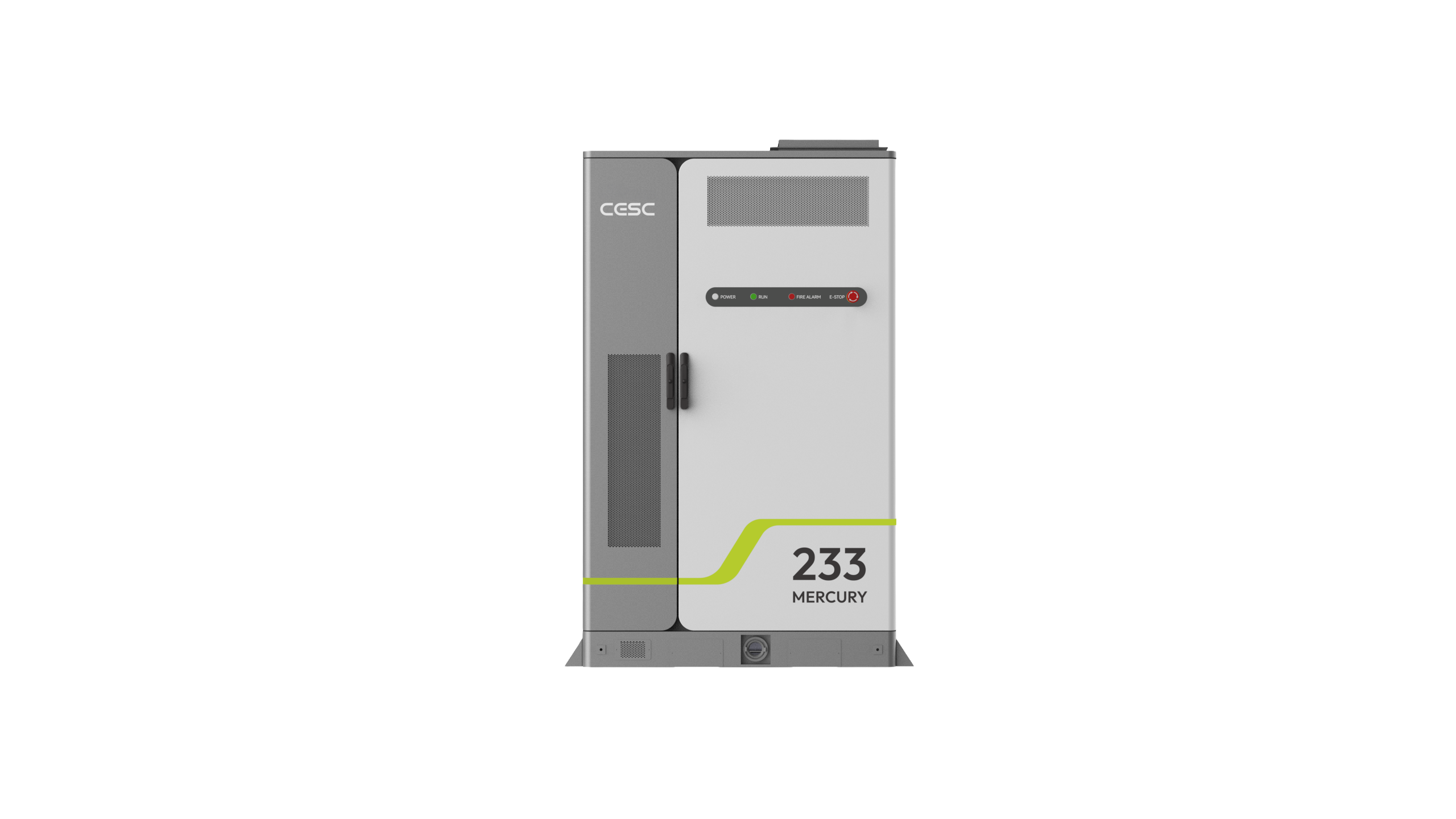
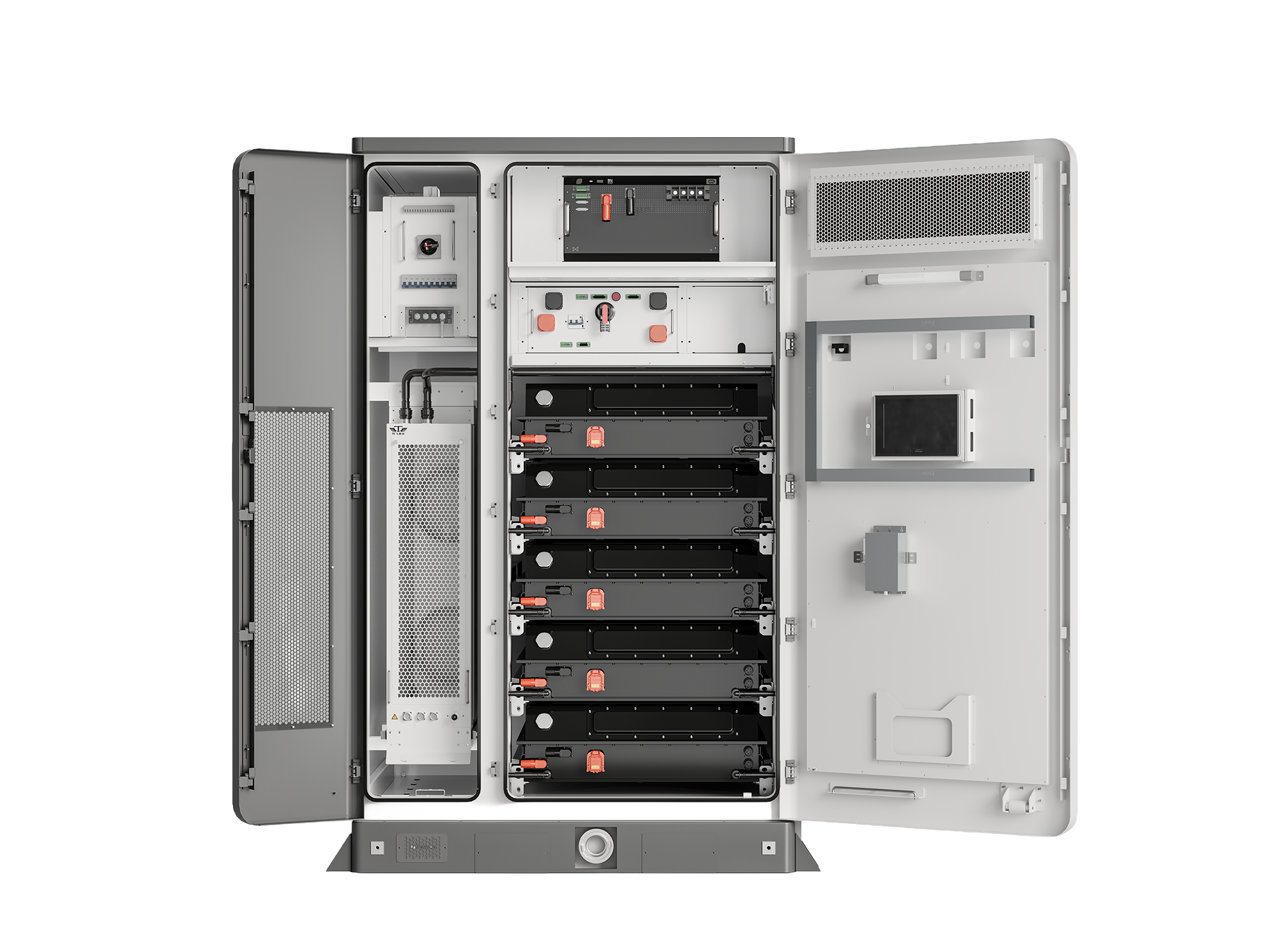
Note: On touch devices, tap to switch between exterior and interior views.
Product Specification (EN)
Mercury 233 technical system configuration, performance and interfaces.
EMS Platform Spec (EN)
Documentation of the EMSPlatform & functions including monitoring interfaces.
Mercury 261 – System Overview
Liquid-cooled energy storage system with integrated BMS/EMS for small to medium sized C&I-Applications – ideal for peak shaving and backup.
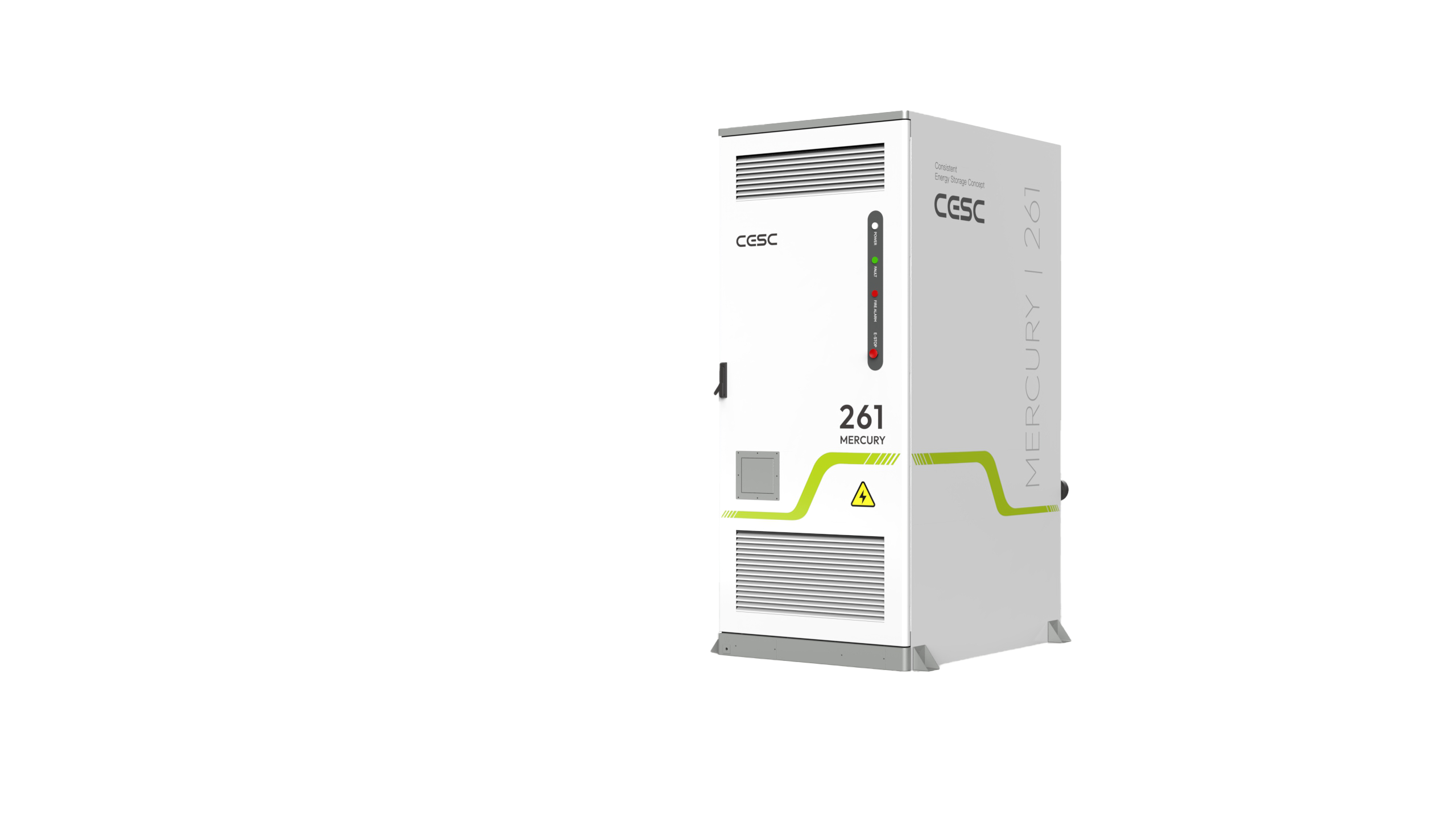
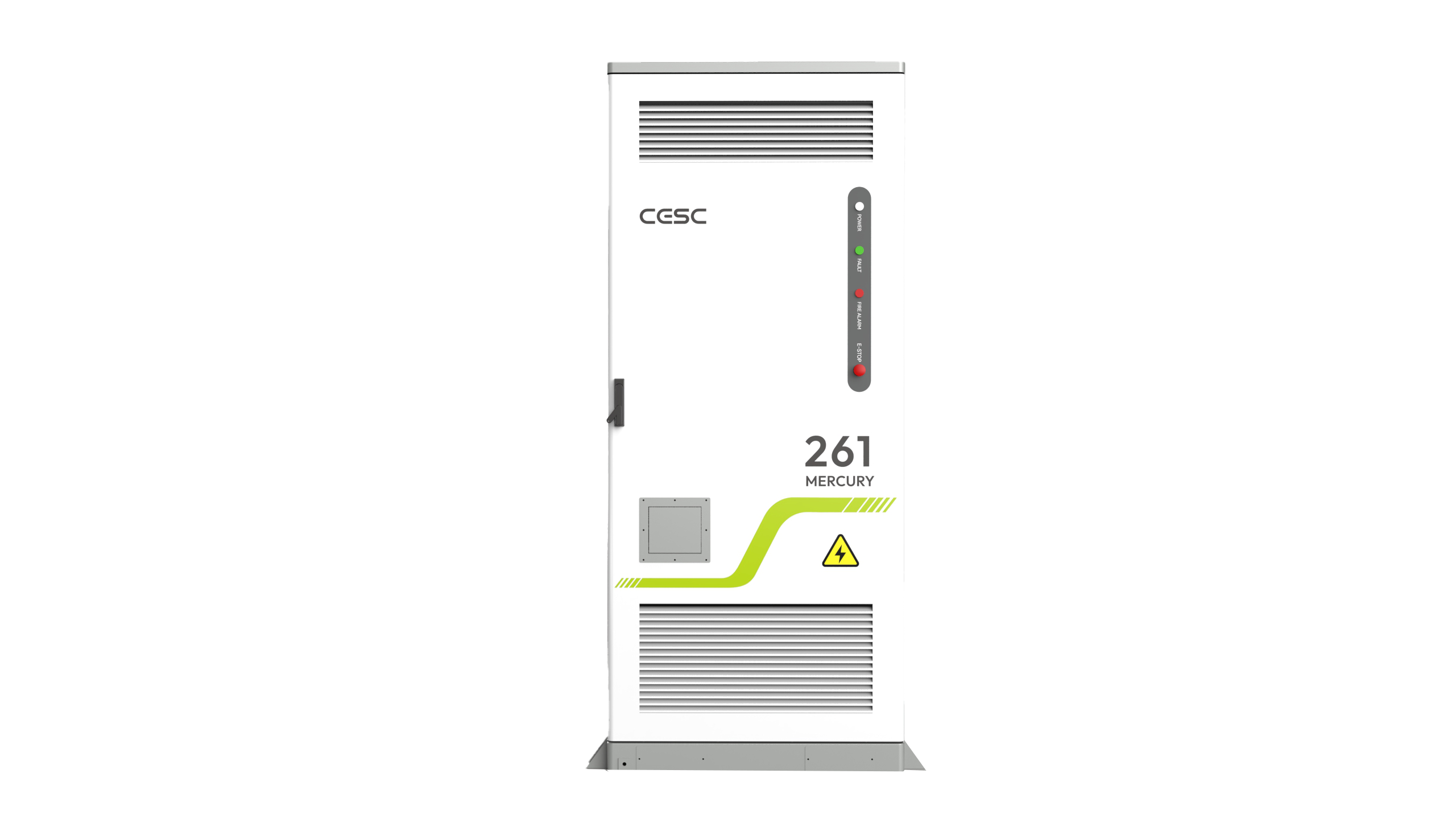
Note: On touch devices, tap to switch between views.
data sheet (DE)
Key technical data, configuration and performance overview of the Mercury 261.
Produktdetails
Complete product page with gallery, highlights and specifications.
Mercury 418 – System Overview
418 kWh liquid-cooled energy storage system for commercial and industrial applications, optimized for grid services and peak loads.
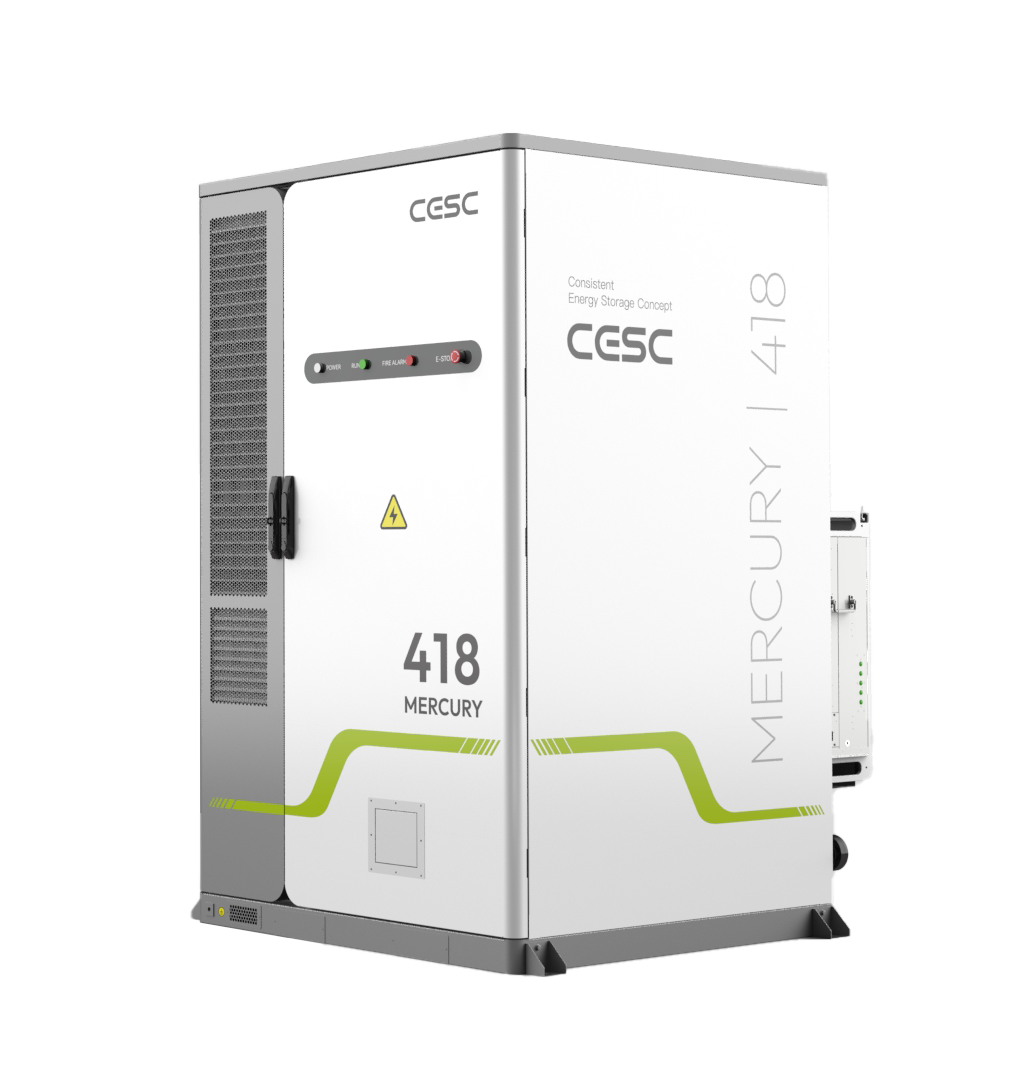
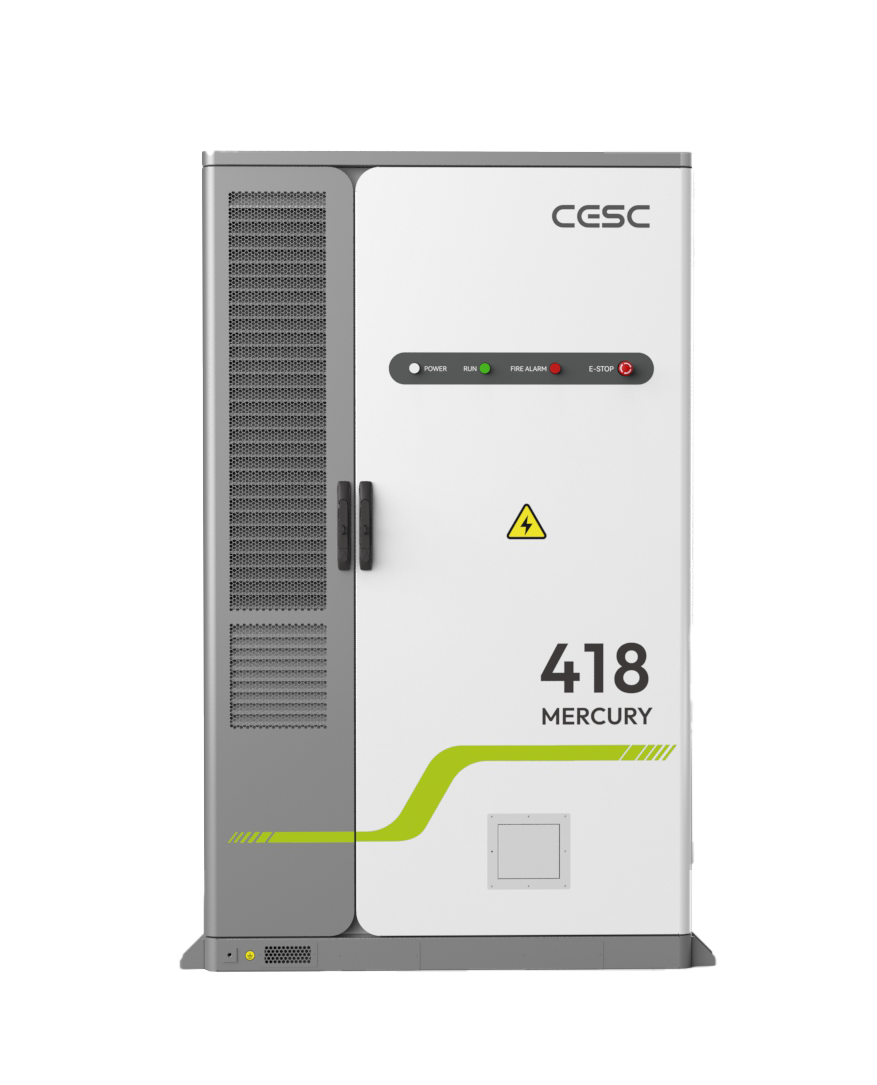
Note: On touch devices, tap to switch between views.
data sheet (DE)
Key technical data, configuration and performance overview of the Mercury 418.
Produktdetails
Complete product page with gallery, highlights and specifications.
Typical applications
Depending on the project, battery storage can be used in different operating strategies – individually or in combination.
Netzdienstleistungen
Frequency and voltage maintenance as well as provision of fast reserve power.
Smooth out load peaks
Peak shaving reduces load peaks and can relieve network charges/performance prices (depending on location).
Postpone generation
PV/Save wind surpluses and feed them in later – more usable renewable energy.
Safety & soundproofing
Safety is a core component of planning: site-specific safety and noise protection concept, clear operating processes and monitoring. Requirements arise from standards, approval requirements and project frameworks.
Schallschutz
Planning according to location, distances and operating profile - goal: quiet, approved operation.
Sicherheitskonzept
Structural/technical measures, distances, fire protection and clear responsibilities.
Dokumentation
Transparent documents, measurement/log data and comprehensible operational management.
Monitoring & EMS
An energy management system (EMS) controls the memory during operation: strategies, limit values, messages and evaluation – for reliable performance.
What you typically receive
- 1 Live‑Status & Alarme
- 2 Reporting & key figures
- 3 Wartungs-/Serviceprozesse
- 4 Optimization of the operating strategy
FAQ
How much space does a battery storage system need?
This depends on the project. A small area is often enough, but the network connection, access and approval framework are crucial.
How loud is a memory?
This depends on the system and the location. Sound insulation is planned project-specifically to take requirements and neighborhood into account.
What is a EMS?
An energy management system controls operations (e.g. charging/discharging strategies) and provides monitoring/reporting.
Can I buy memory?
Yes – on that Produktseite You will find Mercury 233, 261 and 418. For projects including planning/operation, please contact us.